


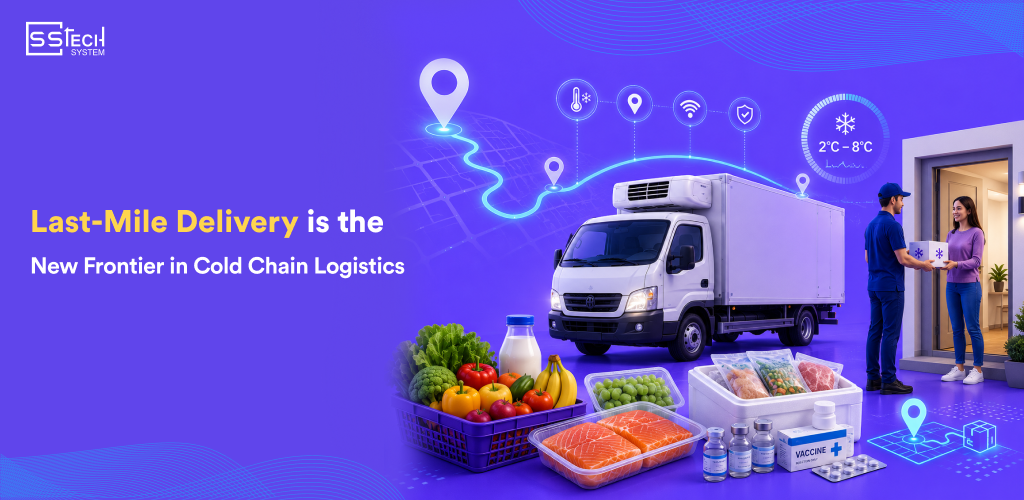
People want things fast now. Fresh groceries, cold drinks, medicines, frozen food people expect all of it to reach their door on time and in good condition. That sounds simple. But for logistics companies, it is not easy. Cold products need care during the whole journey. One delay, one traffic jam, and one temperature issue can ruin the product before it reaches the customer. This is why last-mile delivery in cold chain logistics matters more than ever.
The last part of the delivery now decides customer trust. It also affects product quality, business costs, and brand image. Companies now spend more money on smarter cold chain logistics solutions to handle these problems.
From grocery apps to healthcare brands, everyone wants faster and safer deliveries. So businesses now focus on better temperature-controlled delivery, real-time delivery tracking, and stronger delivery systems. The cold chain world is changing fast. And last-mile delivery sits right at the center of it.
What is Cold Chain Logistics?
Cold chain logistics means moving products in a fixed temperature range. The goal is simple. Keep products fresh and safe during storage and transport.
Some products get spoiled fast. Others lose quality if the temperature changes. Medications, vaccinations, milk products, frozen products, seafood, and meat require adequate cooling.
This is the reason why refrigerated trucks, cold storage facilities, insulated packaging and monitoring systems are used by companies. Without proper cooling, the products may be destroyed before they can reach their customers.
Importance Of Temperature Control In Last Mile Delivery
Many industries depend on cold chain systems every day. One of the largest users is the food industry. The meal kit companies, groceries, and restaurants require excellent perishable goods logistics to maintain the freshness of products.
Healthcare also depends heavily on cold chain systems. Vaccines and medicines need stable temperatures during transport. That is why pharma cold chain logistics has become one of the biggest components of healthcare supply chains.
The refrigerated delivery is also serviced by online grocery platforms to deliver fresh products. Shipment of even cosmetics, flowers, and biotech products requires temperature protection.
Core Components of a Cold Chain
A cold chain has many moving parts working together.
Refrigerated Transportation
Transportation of goods is in refrigerated trucks and containers to ensure products remain cool. These vehicles support safe temperature-controlled delivery.
Cold Storage Facilities
Cold warehouses store products before dispatch. Good cold storage and distribution systems help businesses reduce spoilage.
Packaging Systems
Special packaging helps products stay cold for longer periods. Ice packs, thermal wraps, and insulated boxes all help.
Monitoring Systems
Businesses now use smart tools for temperature monitoring logistics. These systems track temperature during transit.
Warehouse and Inventory Management
Good storage planning matters a lot. Strong cold chain supply chain management helps companies avoid waste and delivery delays.
Read more: How Meal Kit & Prepared Meal Companies Manage Last-Mile Cold Chain Challenges
Key Market Stats
The cold chain market keeps growing each year. More people now order groceries and medicines online. Food delivery apps also continue growing fast.
Due to this fact, the cold chain logistics equipment market can expand to USD 179.8 billion in 2034, as compared to USD 94.3 billion in 2025. That growth shows how important modern cold chain systems have become.
What is Last-Mile Delivery?
Last-mile delivery is the final step of shipping. This is the time of transition for products from a warehouse or fulfillment center to the customer’s location. It sounds like a small step. But it creates some of the biggest delivery challenges. In cold chain logistics, this stage matters even more because products still need proper cooling during the trip.
Evolution of Last-Mile Logistics
Delivery systems have changed a lot. Years ago, customers waited days for orders. Today, many people expect a same-day delivery logistics service. Quick commerce apps made delivery even faster. There are companies that are now able to deliver groceries within 10 and 30 minutes. Due to this change, companies are spending more on same-day logistics and quicker delivery systems.
Why Last-Mile Delivery is More Complex
Last-mile delivery faces many problems. Traffic slows drivers down. Bad weather causes delays. Wrong addresses waste time. Failed deliveries increase costs.
Cold chain companies face another challenge. They must protect products from temperature changes during the trip. This is why now businesses pay much attention to last mile delivery optimization of the last mile delivery and intelligent route planning.
Why Last Mile Delivery Is Critical in Cold Chain Logistics
Rising Consumer Expectations
Customers expect speed now. They want fresh groceries. Cold desserts. Fresh meat. Safe medicines. They also want updates during delivery. This has increased demand for real-time tracking solutions and better customer communication. If a delivery arrives late or spoiled, customers may never order again.
Expansion of Healthcare Logistics
Healthcare delivery has grown fast in recent years. Insulin, blood samples, vaccines, and other medical products require strict temperature control. Even a small temperature issue can damage these products. Because of this, companies now invest more in vaccine logistics, cold chain systems, and safer transportation methods.
Growth of Quick Commerce
Quick commerce changed customer habits. Groceries and snacks are now available to people within minutes. This puts pressure on the warehouses and drivers.
Businesses have to transport goods very fast, yet they need to retain their freshness. As a means of dealing with this, numerous brands have resorted to last-mile fulfillment solutions and local delivery hubs.
Impact on Brand Reputation
It only takes one poor delivery to damage a company. If frozen food melts or medicines arrive warm, customers lose trust fast. Negative reviews spread quickly online. This is the reason why companies are more concerned with effective refrigerated transportation networks and enhanced cold chain processes.
Key Challenges in Cold Chain Last Mile Delivery
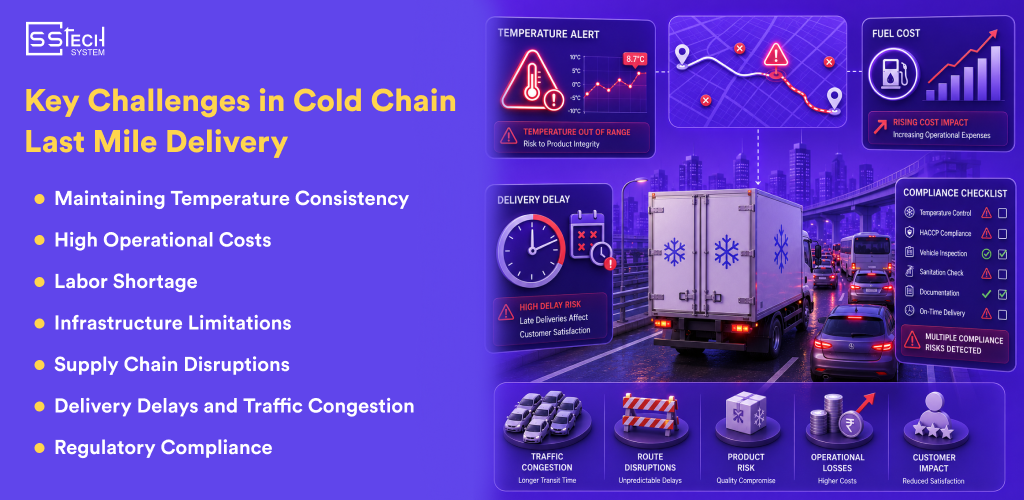
Maintaining Temperature Consistency
This is one of the biggest challenges. Products move through many stages before delivery. When loading or offloading, the temperature may vary rapidly. To minimize these risks, real-time temperature monitoring systems are now used in businesses.
High Operational Costs
Cold chain operations cost a lot. Refrigerated vehicles use more fuel. Cold storage units need constant power. Packaging materials also add extra costs. All of this increases delivery expenses.
Labor Shortage
Many companies struggle to find trained workers. Cold chain business requires qualified warehouse employees and drivers.
The employees need to be educated on the safety of working with products that are temperature-sensitive. Without proper training, mistakes happen more often.
Infrastructure Limitations
Some areas still lack proper cold storage facilities and transport systems. Poor roads and long travel routes also create delivery problems. This makes cold chain logistics for food delivery solutions harder to manage in remote areas.
Supply Chain Disruptions
Global supply chains face constant pressure now. Weather problems, port delays, and political tensions all affect deliveries. These disruptions create delays and increase business costs.
Delivery Delays and Traffic Congestion
Traffic remains a major issue in cities. Long delays increase spoilage risks for frozen and fresh products. To fix this, companies now use smarter delivery route optimization systems.
Regulatory Compliance
Cold chain businesses must follow strict safety rules. Food and healthcare products need proper storage records and temperature tracking. Strong cold chain compliance systems help businesses avoid penalties and product loss.
Technologies Transforming Last-Mile Cold Chain Logistics
IoT and Real-Time Temperature Monitoring
Smart sensors now help businesses track products during transport. These IoT application development support IoT in cold chain logistics and improve delivery visibility. Enterprises are able to monitor temperature data in real time and make corrections promptly.
Artificial Intelligence and Route Optimization
AI helps companies plan faster delivery routes. These systems study traffic, weather, and delivery schedules. Businesses now use AI in last-mile delivery to improve speed and lower fuel costs. The smart route optimization software can also assist drivers in avoiding delays.
Electric and Sustainable Refrigerated Vehicles
Many companies now use electric delivery vehicles. These vehicles lower fuel costs and reduce pollution. This shift also supports greener delivery operations.
Smart Packaging Innovations
Packaging technology has improved a lot. Insulated cases, cooling gels, and intelligent labels have become common in businesses to protect products during delivery. The systems facilitate improved inventory management for perishable goods.
Blockchain for Transparency
Blockchain improves delivery tracking and product visibility. Businesses can track products across the full supply chain and maintain safe delivery records.
Read more: How to Build a Custom Transportation Management System (TMS)
Role of Micro Fulfillment Centers and Dark Stores
What are Micro Fulfillment Centers?
Micro fulfillment centers are small storage centers close to the customers. These facilities help businesses process orders faster.
Importance in Cold Chain Distribution
Shorter delivery distances help businesses protect fresh products. Faster dispatch also reduces spoilage risks. This matters a lot in food and healthcare deliveries.
Rise of Dark Stores
Dark stores only handle online orders. Many grocery brands now use them for fast deliveries. These warehouses facilitate improved order fulfillment in the delivery of food and quicker shipping activities.
Sustainability in Last-Mile Cold Chain Logistics
Environmental Challenges
Cold chain systems use large amounts of fuel and electricity. Refrigerated transport also creates higher carbon emissions. This creates environmental concerns for businesses.
Sustainable Packaging Solutions
Most companies are utilizing reusable recyclable packaging materials. This helps reduce waste while protecting products.
Renewable-Powered Cold Storage Hubs
Some warehouses now use solar and renewable energy systems. Such arrangements minimize energy expenses and encourage environmentally friendly business.
Sea Freight as a Sustainable Alternative to Air
Air shipping moves products fast but creates more pollution. Sea freight takes longer but reduces carbon emissions. Many companies now balance speed with sustainability.
Green Transportation Initiatives
Businesses continue investing in electric vehicles and cleaner transport systems. These efforts improve long-term delivery fleet management strategies.
Balancing Speed and Sustainability
Customers want fast deliveries. But businesses also need cleaner operations. Finding a balance between both goals remains important.
Future Trends in Last-Mile Cold Chain Logistics
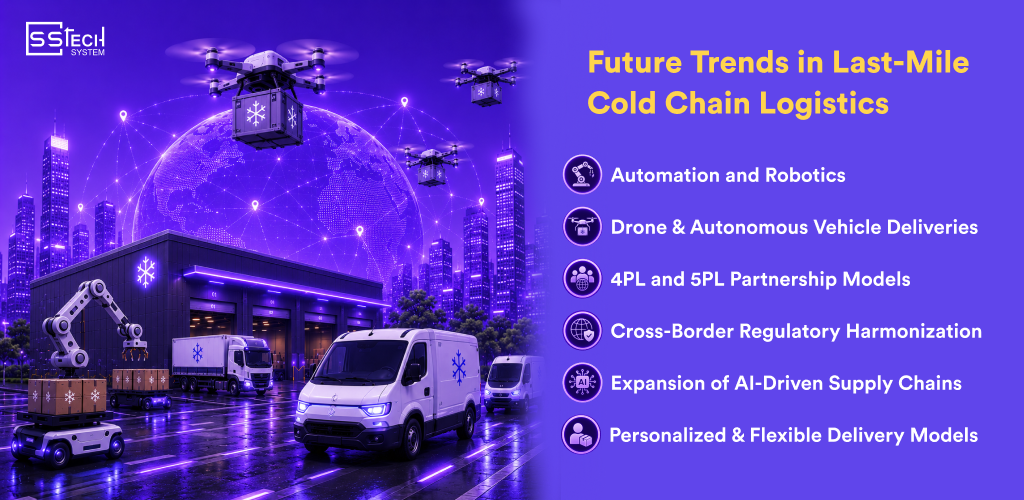
Automation and Robotics
Fulfillment center and warehouse management systems are on the rise. Robots assist in the packing, sorting and movement of inventory. This enhances time-saving and minimizes errors.
Drone and Autonomous Vehicle Deliveries
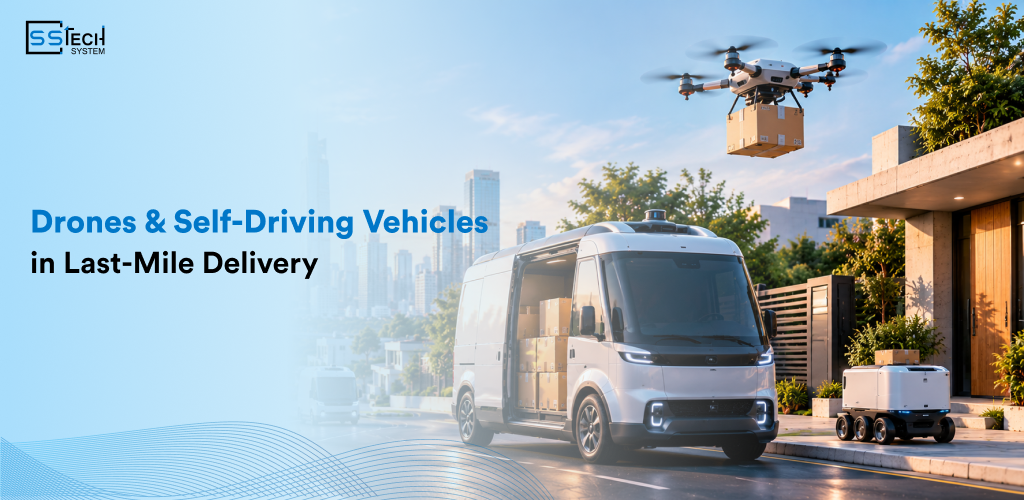
Some businesses now test drones and self-driving delivery vehicles. These technologies may improve delivery speed in the future.
4PL and 5PL Partnership Models
Many businesses now work with outside logistics partners to improve operations. This assists companies in overcoming complex supply chains.
Cross-Border Regulatory Harmonization
Countries continue improving international cold chain rules. More appropriate regulations are likely to facilitate the future of international trade.
Expansion of AI-Driven Supply Chains
AI tools continue improving delivery planning and forecasting. Smart logistics solutions, fully automated dispatch software, and supply chain management software have become investments in businesses.
Personalized and Flexible Delivery Models
Customers have switched to flexible delivery times and live updates.
Strategies Businesses Can Adopt
Investing in Advanced Technology
Modern technology helps businesses improve delivery operations. Tools like last-mile delivery software, delivery management system, and cloud software solutions improve efficiency and visibility.
Building Strong Local Distribution Networks
Local storage hubs help companies deliver products faster. Shorter routes also reduce spoilage risks.
Workforce Training and Compliance
Proper staff training matters a lot in cold chain logistics. Employees need to be aware of product handling, safety regulations and storage.
Enhancing Customer Communication
Customers want delivery updates during transit. Courier management software and tracking tools have been adopted by business to enhance communication and customer trust.
Case Studies and Real-World Examples
E-commerce Grocery Platforms
Smart routing systems and local warehouses have been adopted by the online grocery brands. These systems enhance freshness and speed of delivery. This growth increased demand for logistics software development for grocery delivery systems.
Pharmaceutical Cold Chain Success Stories
Healthcare companies use advanced monitoring tools and refrigerated transport systems for safe medicine delivery. Strong cold chain logistics for pharmaceuticals became even more important during vaccine distribution efforts.
Food Delivery and Quick Commerce Brands
The use of food delivery apps and quick commerce firms is growing rapidly. Throughout, a lot of brands can leverage dark stores, AI solutions, and local fulfillment facilities to enhance the speed of delivery.
Conclusion
Cold chain logistics is changing fast. The customers are now demanding fresh products, deliveries in a short duration and real-time tracking. The businesses have to meet these expectations without compromising product quality.
This is the reason why the route optimization software and last-mile delivery software in cold chain logistics have emerged as one of the largest concerns for contemporary businesses. Those companies that invest more in smarter delivery systems, AI tools, internet of things tracking, and enhanced cold storage networks will remain ahead.

Frequently Asked Questions
Why is last-mile delivery critical in cold chain logistics?
Last-mile delivery ensures the safety of temperature-sensitive products in the last stage of delivery. Products might be spoiled due to delays or changes in temperature before they reach the customer.
What are the biggest challenges in cold chain last-mile delivery?
The biggest last-mile delivery challenges include traffic delays, temperature control, high delivery costs, labor shortages, and regulatory compliance.
How do companies maintain temperature during delivery?
Businesses use refrigerated vehicles, insulated packaging, and real-time temperature tracking systems to maintain product safety.
How does AI help in last-mile logistics optimization?
AI improves route planning, traffic analysis, delivery scheduling, and operational efficiency.
What industries depend heavily on cold chain logistics?
Healthcare, food delivery, grocery commerce, pharmaceuticals, and biotech industries rely heavily on cold chain systems.
What is the future of cold chain logistics in 2026?
The future of cold chain logistics 2026 includes AI-driven delivery systems, smart monitoring tools, automation, drone deliveries, and greener transportation methods.
Related Article