


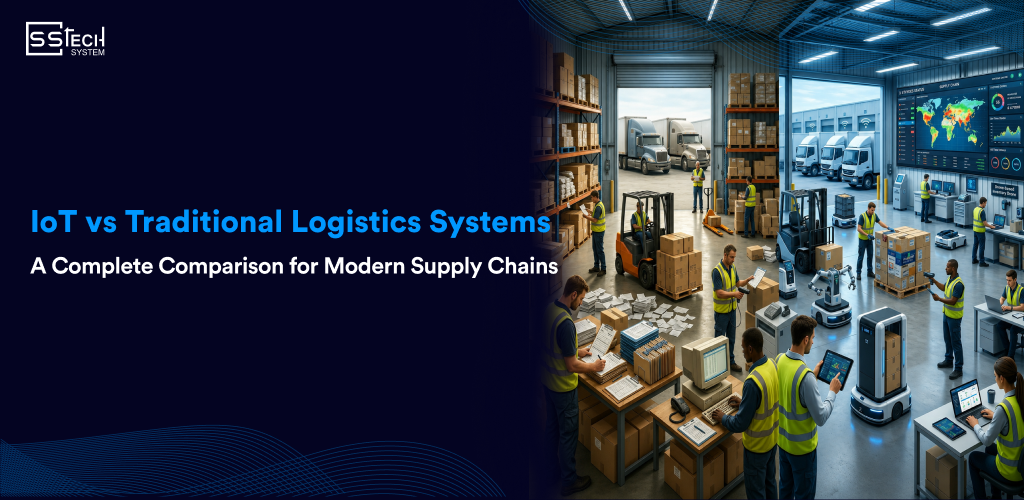
The world of logistics is evolving at a fast rate, with businesses being under more pressure to deliver goods more quickly, cut costs of operation and enhance supply chain visibility. When we look at IoT vs Traditional Logistics Systems, the contrast becomes clear, manual operations, human coordination and simple digital tools have served businesses for decades using traditional logistics systems.
But the new supply chains are much more complex than the old ones. Companies are now dealing with global shipments, deliveries in a day, increasing fuel prices and the increased demand of customers for transparency.
The change is among the largest factors why companies are embracing IoT in Logistics to modernize processes and enhance efficiency. Related technologies can now enable logistics companies to track the vehicles, warehouses, inventory, and deliveries in real time. Companies are no longer required to resort to manual updates and reactive processes but can now make quicker and smarter operational choices based on live data.
Nowadays, numerous companies are investing in IoT logistics software solutions and automated platforms to enhance transportation management and warehouse organization as well as delivery tracking. The rising need to achieve operational efficiency is also pushing the IoT development for logistics to rise in e-commerce, retail, manufacturing, pharmaceuticals and cold-chain transportation industries.
This comparative analysis will examine the key distinctions between conventional logistics systems and IoT-enabled logistics processes, their advantages, obstacles, expenses, applications, and opportunities in the future.
What Are Traditional Logistics Systems?
Traditional logistics systems are defined as those supply chain operations that are highly dependent on manual processes and paperwork, human observation, and little automation technologies. Such systems pre-existed the era of widespread implementation of interconnected technologies and smart automation tools.
Most traditional logistics operations depend on:
- Manual documentation
- Phone-based communication
- Spreadsheet tracking
- Barcode scanning
- Human dispatch coordination
- Scheduled maintenance planning
- Periodic inventory audits
Nevertheless, the growing sophistication of the global supply chain is driving companies towards digitalisation and automation.
Core Components of Traditional Logistics
Warehousing
The conventional warehousing processes rely extensively on human resources in terms of storing, picking, packing, and transporting the inventory. To maintain inventory records, employees typically use spreadsheets or barcode readers to update them manually.
In the absence of high-level automation systems, companies tend to experience:
- Inventory inaccuracies
- Delayed fulfillment
- Overstocking problems
- Product shortages
- Slower warehouse productivity
Fleet Management
The traditional transportation system has manual coordination between the dispatch team and drivers. The updates on the delivery are normally received by phone or regular status reports.
Businesses frequently are not able to see:
- Vehicle movement
- Driver performance
- Fuel usage
- Delivery progress
- Vehicle conditions
Many businesses now use advanced fleet management software to improve transportation visibility and operational control.
Read more: Everything You Need To Know About Fleet Management Software
Inventory Handling
Traditional logistics systems tend to be involved in manual counting of inventory and regular audits. It may cause delays in updating and discrepancies of inventory.
Common challenges include:
- Incorrect inventory counts
- Lost stock records
- Shipment mismatches
- Delayed inventory reporting
Human-Based Monitoring
Conventional logistics processes place a lot of human oversight on the supervision of warehouses, shipments, fleet operations and coordination of deliveries. Since the monitoring process is mostly manual, businesses might not realize that something is wrong with their operation until something goes wrong. This is a reactive strategy that raises delays and operational risks.
Barcode Systems
In earlier periods of the digital transformation, barcode systems enhanced the logistics operations. Nevertheless, they cannot do without manual scanning and physical checkpoints. Barcode technology does not allow the supply chain to have continuous visibility of operations unlike connected tracking systems.
How Traditional Logistics Systems Work
Traditional logistics systems usually follow a reactive operational structure.
A typical process includes:
- Orders are entered manually into systems
- Warehouse teams pick and pack shipments
- Dispatch managers assign delivery schedules
- Drivers provide updates manually
- Inventory records are updated after deliveries
These operational limitations are among the biggest challenges of traditional logistics systems in modern supply chains.
Common Challenges in Traditional Logistics
Delayed Tracking Updates
The traditional systems usually update after doing manual reporting or barcode scanning. Continuous visibility of shipments may not be provided to customers and logistics managers.
This creates:
- Delivery uncertainty
- Poor customer communication
- Slower issue resolution
- Reduced transparency
Human Errors
Manual operations increase the risk of errors in dispatching, inventory tracking, shipment handling, and documentation.
Common mistakes include:
- Incorrect deliveries
- Inventory discrepancies
- Delayed reporting
- Shipment processing errors
Limited Visibility
Traditional systems provide limited visibility across transportation and warehouse operations.
Businesses often struggle to monitor:
- Shipment movement
- Vehicle conditions
- Delivery progress
- Inventory levels
Inefficient Route Planning
Manual route planning methods often increase fuel consumption and delivery delays. Businesses using route optimization software can identify faster delivery routes based on traffic conditions, weather patterns, and shipment priorities.
Higher Operational Costs
Companies that adopt route optimization software are able to establish quicker delivery paths in regards to the traffic conditions, weather patterns, and shipment priorities.
Businesses often spend more on:
- Administrative work
- Fuel wastage
- Inventory corrections
- Emergency repairs
- Delayed deliveries
What is IoT in Logistics?
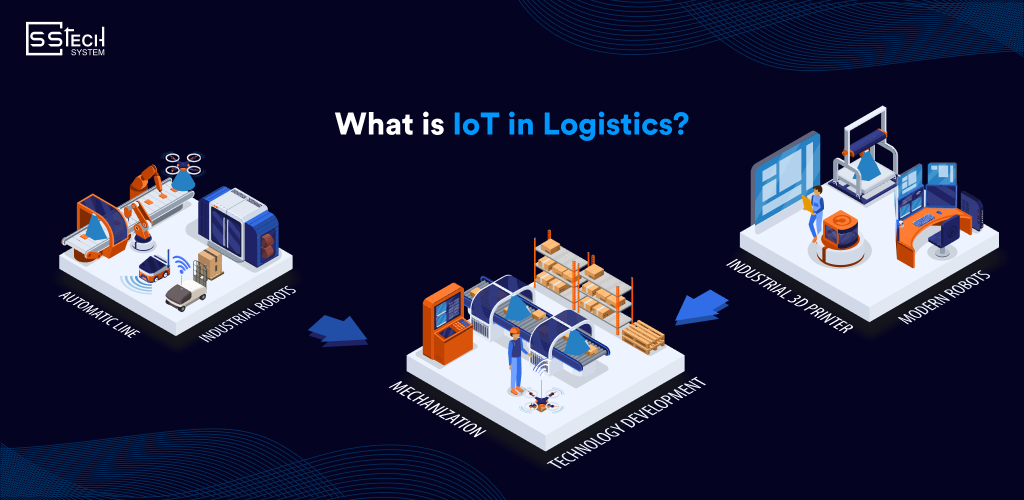
IoT in Logistics refers to the use of connected technologies such as sensors, GPS trackers, telematics systems, and cloud platforms to monitor and optimize logistics operations in real time. Connected systems continuously exchange operational data across transportation networks, warehouses, and inventory systems.
Businesses investing in IoT development for logistics can improve:
- Shipment visibility
- Fleet monitoring
- Warehouse efficiency
- Delivery coordination
- Inventory management
- Operational analytics
Modern logistics businesses increasingly rely on smart logistics technology to improve operational performance and customer satisfaction. This digital transformation is creating a fully connected logistics ecosystem where operational systems communicate continuously in real time.
IoT vs Traditional Logistics Systems: Key Differences
Comparison Parameters:
Real-Time Visibility
Traditional systems provide delayed updates, while IoT-powered systems enable continuous real-time shipment tracking across transportation operations.
Data Accuracy
The conventional logistics systems are dependent on manual data entry, which enhances the possibility of human error. IoT networks are automated to collect data to enhance the efficiency and precision of operations in warehouses and transportation systems.
Tracking Capabilities
Modern IoT tracking solutions for logistics provide continuous monitoring of vehicles, shipments, and operational assets using connected sensors and GPS technologies.
Automation Level
Advanced logistics automation solutions automate dispatching, inventory updates, shipment alerts, and operational monitoring.
Operational Efficiency
Businesses adopting smart logistics technology can streamline warehouse coordination, fleet management, and delivery planning more effectively.
Maintenance Approach
Traditional maintenance systems depend largely on scheduled servicing or reactive repairs. Modern predictive maintenance fleet systems monitor vehicle health continuously and identify issues before breakdowns occur.
Cost Structure
Conventional systems might have reduced initial costs, but they tend to generate more operational costs due to recurring manual operations and inefficiencies.
Scalability
Logistical systems based on IoT are more scalable, as technologies connected to the network can oversee a bigger transportation network without having to work much more intensively.
Customer Experience
Modern customers expect faster deliveries, live tracking, and accurate shipment updates. Businesses using intelligent supply chain solutions can improve customer communication and delivery transparency significantly.
Decision-Making Speed
The IoT systems enable real-time operational data, which enables the business to make quick and precise decisions. Old systems tend to be based on slow reporting and responsive management of operations.
Advantages of Traditional Logistics Systems
Lower Initial Setup Costs
Conventional logistics systems typically demand less initial investment as companies do not have to have sophisticated connected devices or automation systems.
Easier Adoption for Small Businesses
The traditional systems are simpler to implement since the employees are already conversant with manual work processes and simple digital tools.
Simpler Infrastructure Requirements
Conventional logistics does not involve a lot of cloud network, interconnected sensors, or sophisticated digital networks.
Less Dependence on Internet Connectivity
Traditional systems can continue operating even during internet outages or connectivity disruptions.
Read more: Logistics Software Development Cost & Features Guide
When to Choose Traditional Systems?
Traditional logistics systems may still be suitable for:
- Small transportation businesses
- Local delivery operations
- Businesses with limited budgets
- Low-volume supply chains
- Operations with simple logistics requirements
However, businesses planning long-term growth often move toward logistics automation technology and connected operational systems.
Benefits of IoT-Based Logistics Systems
Real-Time Shipment Visibility
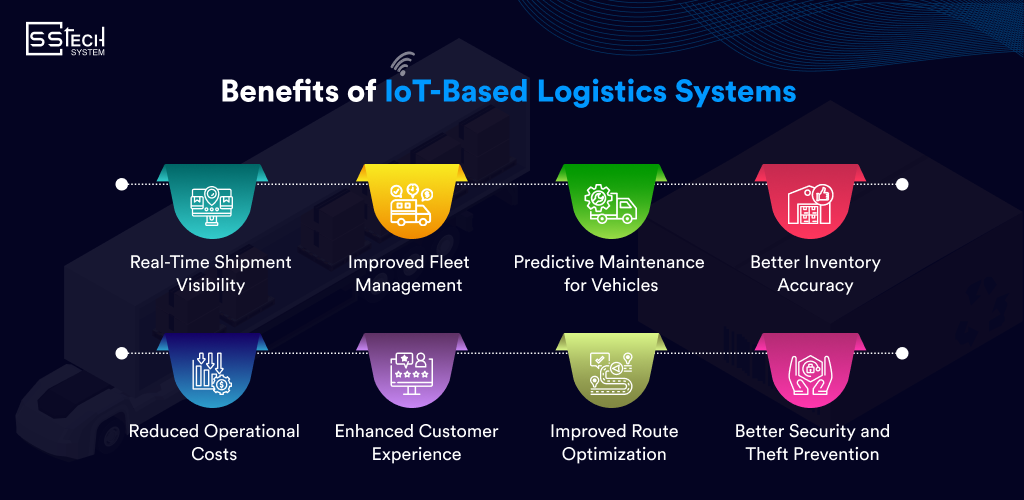
One of the biggest advantages of IoT-powered logistics is continuous shipment monitoring through connected systems. Businesses using real-time shipment tracking can improve customer communication and delivery transparency significantly.
Improved Fleet Management
Modern smart fleet management software allows businesses to monitor vehicle movement, driver behavior, and fuel consumption continuously. Advanced smart fleet management systems help improve transportation efficiency and operational control.
Predictive Maintenance for Vehicles
Businesses now use predictive maintenance fleet technologies to monitor vehicle conditions and detect maintenance issues before breakdowns occur.
Better Inventory Accuracy
Modern IoT inventory tracking systems provide accurate inventory monitoring across warehouses and distribution centers.
Reduced Operational Costs
Businesses can reduce logistics costs with IoT by improving operational efficiency and reducing manual workload.
Connected systems also help businesses:
- Improve delivery efficiency
- Reduce fuel costs with fleet management strategies
- Optimize supply chain operations
- Minimize delivery delays
- Improve operational visibility across transportation networks
Enhanced Customer Experience
The IoT-based logistics systems enhance customer experience by delivering orders faster, providing the correct ETA, and sharing real-time shipment status. Connected business platforms enable businesses to respond to customer concerns in a more efficient way.
Improved Route Optimization
Businesses using smart route optimization systems can improve delivery planning based on real-time traffic and operational conditions.
Better Security and Theft Prevention
Modern IoT asset tracking systems improve shipment security through continuous monitoring of vehicles and cargo movement. Connected tracking systems help businesses respond quickly to security risks.
When to Choose IoT over Traditional Systems
Go for IoT when you need real-time updates and remote access. It works well if you want to track things from anywhere, like machines, homes, or devices. It also helps when you need data to make quick decisions.
Traditional systems fit better for simple tasks with no need for constant monitoring. If your setup needs smart control and easy scaling, IoT makes more sense.
- High Initial Investment
- Cybersecurity Risks
- Integration with Legacy Systems
- Data Privacy Concerns
- Employee Training Requirements
Cost Comparison: IoT vs Traditional Logistics Systems
Initial Investment
Conventional logistics systems tend to be less expensive to start up. But IoT-powered systems entail investments on connected devices, sensors, software platforms and automation infrastructure. Businesses increasingly partner with a logistics software development company to build scalable logistics solutions.
Operational Costs
Whereas traditional systems might seem cheaper in the short run, they usually come with increased recurring operation costs, given manual operations and inefficiencies
Maintenance Expenses
Traditional maintenance approaches are reactive and often involve emergency repairs. Modern telematics in logistics systems allow businesses to monitor vehicle conditions continuously and improve maintenance planning.
Long-Term ROI
Businesses investing in logistics digital transformation often achieve stronger long-term returns through improved efficiency, automation, and customer satisfaction. Connected systems help businesses scale operations more effectively.
Hidden Costs Businesses Should Consider
Hidden costs with both operational models should also be considered by the businesses. The traditional systems can introduce hidden costs by way of manual errors, delay in delivery, and loss of inventory.
IoT systems may require investments in cybersecurity, connectivity, employee training, and system integration. Many businesses now invest in cloud-based logistics platforms to improve scalability and operational flexibility.
Which Businesses Benefit Most from IoT Logistics?
E-commerce Businesses
E-commerce businesses benefit heavily from connected logistics technologies because they require faster deliveries and continuous shipment visibility. Many businesses use Last-mile delivery software and On-Demand Delivery App technologies to improve urban delivery coordination.
Large-Scale Supply Chains
Large logistics networks require centralized operational visibility and connected monitoring systems. Businesses increasingly use enterprise logistics solutions to manage large transportation and warehouse operations efficiently.
Cold Chain Logistics
Cold-chain transportation businesses depend heavily on continuous environmental monitoring. Modern sensor-based logistics monitoring systems help track shipment temperature and storage conditions in real time.
Businesses Requiring Real-Time Tracking
Businesses transporting high-value goods require continuous shipment monitoring and delivery visibility. Modern connected systems help improve security and operational coordination.
International Logistics Providers
Global logistics businesses manage highly complex transportation networks and supply chains. Connected technologies help improve visibility, coordination, and operational control across international operations.

Real-World Examples of IoT in Logistics
Smart Fleet Tracking
Businesses use connected tracking technologies and GPS systems to monitor vehicle movement continuously. Modern IoT for fleet operators solutions improve transportation visibility and fleet performance.
Warehouse Automation
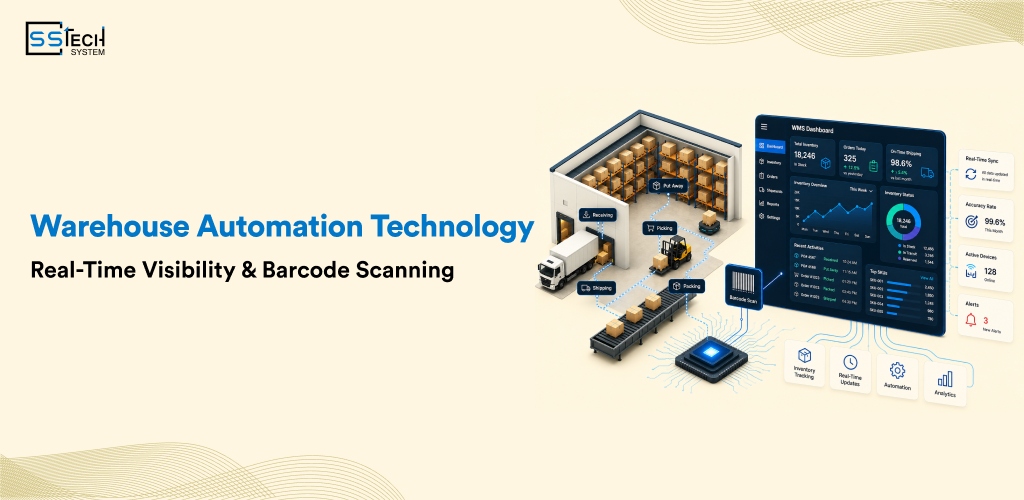
Modern warehouse management system technologies help businesses improve warehouse productivity and operational coordination. Businesses also use advanced warehouse automation technology to streamline picking, sorting, and fulfillment processes.
Cold Chain Monitoring
Cold-chain businesses rely on connected systems to monitor shipment conditions during transportation. Connected sensors help prevent spoilage and improve compliance management.
Predictive Maintenance Systems
Businesses increasingly use connected maintenance systems to reduce downtime and improve fleet reliability. Modern AI and IoT in logistics technologies are helping businesses automate maintenance planning and operational monitoring.
IoT vs Traditional Logistics Systems: Which One Is Better?
Traditional logistics systems may still work for smaller businesses with limited operational complexity. However, modern supply chains increasingly require automation, visibility, scalability, and operational intelligence.
Businesses adopting connected technologies gain major advantages through:
- Better shipment visibility
- Faster operational decisions
- Improved warehouse coordination
- Smarter transportation management
- Reduced operational costs
- Better customer experiences
Businesses investing in logistics software development, connected systems, and automation platforms are better prepared for future logistics demands. The growing adoption of connected systems clearly demonstrates why logistics companies adopt IoT to improve operational performance and scalability.
Many successful examples of IoT in the logistics industry show how connected systems improve efficiency, reduce delays, and strengthen supply chain visibility.
Businesses using IoT for logistics companies, IoT for supply chain businesses, and IoT for last-mile delivery companies are increasingly building smarter operational networks capable of adapting to changing customer expectations.
Understanding how IoT improves supply chain visibility has become essential for businesses aiming to modernize operations successfully. These advancements continue shaping the biggest logistics technology trends 2026 across the global transportation and supply chain industries.
Conclusion
The logistics industry is moving rapidly toward automation, connectivity, and intelligent operational management. Traditional logistics systems still support many businesses today, but they often struggle to meet the visibility, scalability, and efficiency demands of modern supply chains.
The growing adoption of connected technologies demonstrates the major benefits of IoT in logistics for transportation businesses worldwide. Businesses investing in connected technologies can improve warehouse productivity, transportation efficiency, and customer satisfaction while building a more scalable and responsive connected supply chain.
As the future of logistics technology continues evolving, businesses adopting connected operational systems early will be better positioned to compete successfully in increasingly complex logistics markets.

Frequently Asked Questions
What are the biggest challenges of IoT in logistics?
The greatest obstacles are the cost of implementation, security issues, reliance on connectivity, employee training, and the complexity of integration. Companies implementing IoT systems should be very careful in planning upgrades in infrastructure and operational change strategies.
Can small businesses use IoT logistics systems?
Yes, small businesses can progressively implement IoT-enabled logistics solutions, based on their funding requirements and budgets. Numerous scalable solutions are currently affordable to expanding logistics.
How does IoT help with real-time shipment tracking?
IoT systems can track the movement of the shipment in real-time by using GPS trackers, connected sensors, and cloud platforms. In real time, businesses can get live updates on their operations and visibility of their deliveries.
What industries benefit most from IoT logistics solutions?
E-commerce, retail and manufacturing, pharmaceuticals, food delivery, and cold-chain transportation are among the industries that are the most beneficiary of the technologies of IoT-powered logistics since they need quicker deliveries and transparency of operations.
Are traditional logistics systems still relevant today?
The conventional logistics systems can continue to serve the smaller companies with a simple transportation requirement and a small budget. Nevertheless, numerous companies are moving to automation and linked technologies to enhance efficiency and scalability.
How does IoT reduce logistics costs?
IoT lowers the cost of logistics through enhanced route planning, inventory, fleet maintenance, delivery, and efficiency in operations. Businesses also benefit through connected systems in automating the workflow and cutting down on the manual operational costs.
Related Article