


The digital world has never been static, and neither has web development. Over the last two decades, websites have evolved from simple collections of static pages into intelligent digital platforms capable of delivering personalized experiences, processing millions of transactions, and supporting complex business operations. Today, web development is no longer just about creating an online presence; it has become the foundation of digital transformation for organizations across every industry. Whether it is an eCommerce store, healthcare portal, logistics platform, educational website, or enterprise application, modern web development continues to redefine how businesses interact with customers and manage operations.
The Evolution of Web Development: From Static Pages to Intelligent Digital Experiences
The journey of web development reflects the rapid transformation of the internet itself. Early websites primarily served as online brochures, providing basic company information through static HTML pages. While these websites established a digital identity, they offered little interactivity and required manual updates whenever content changed. As businesses recognized the internet’s commercial potential, demand grew for dynamic websites capable of handling user interactions, databases, and real-time information.
The introduction of server-side programming languages such as PHP, ASP.NET, Java, and Python marked the beginning of a new era in website development. Businesses could now create customer portals, online booking systems, inventory management applications, and eCommerce platforms that interacted with databases and delivered personalized experiences. As mobile internet usage increased, responsive web design became essential, enabling websites to automatically adjust to different screen sizes while maintaining consistent usability across smartphones, tablets, and desktops.
Why Web Development Is a Never-Ending Journey
Technology Continues to Evolve Faster Than Ever
Unlike many industries that experience gradual change, web development evolves continuously. Every year introduces new programming frameworks, browser capabilities, development methodologies, and performance standards. Technologies that were considered cutting-edge only a few years ago quickly become outdated as faster, more secure, and scalable alternatives emerge.
User Expectations Continue to Rise
Modern internet users expect websites to deliver exceptional experiences from the moment they load. Website visitors have become increasingly demanding, expecting fast-loading pages, intuitive navigation, personalized recommendations, secure transactions, and seamless interactions across all devices. A slow or poorly designed website can significantly impact user satisfaction, search engine rankings, and conversion rates.
As digital competition intensifies, businesses must prioritize user experience alongside functionality. Modern web development incorporates performance optimization, accessibility standards, mobile-first design principles, and user-centered interface design to create engaging digital experiences that encourage visitors to stay longer and complete desired actions.
Emerging Technologies Are Expanding the Boundaries of Web Development
Artificial Intelligence Is Reshaping Modern Websites
Artificial Intelligence has become one of the most transformative technologies influencing web development. AI-powered websites are capable of understanding user behavior, delivering personalized content, automating customer support, and analyzing vast amounts of data to improve business decision-making.
Modern websites increasingly integrate AI chatbots that provide instant customer assistance, recommendation engines that suggest relevant products, predictive search functionality, and intelligent analytics dashboards that identify customer trends. Machine learning algorithms continuously improve these systems by analyzing user interactions and adapting recommendations over time.
Cloud Computing Enables Unlimited Scalability
Cloud computing has fundamentally changed how websites and web applications are developed, deployed, and maintained. Instead of relying on traditional physical servers, businesses now leverage cloud platforms that offer flexible infrastructure, automatic scaling, enhanced security, and global accessibility.
Cloud-native web development allows organizations to respond quickly to fluctuating traffic demands while minimizing downtime and operational costs. Businesses can deploy applications across multiple regions, ensuring faster response times for users regardless of their location. Additionally, cloud environments simplify backup management, disaster recovery, software updates, and infrastructure monitoring.
Progressive Web Applications Bridge the Gap Between Websites and Mobile Apps
Progressive Web Applications (PWAs) represent one of the most significant innovations in modern web development. PWAs combine the accessibility of websites with the functionality traditionally associated with native mobile applications. Users can install PWAs directly from their browsers, receive push notifications, browse offline, and enjoy app-like performance without downloading software from app stores.
API-Driven Development Creates Connected Digital Ecosystems
Modern websites rarely operate independently. Instead, they connect with numerous third-party services including payment gateways, customer relationship management platforms, enterprise resource planning systems, inventory management software, logistics solutions, email marketing tools, and artificial intelligence services.
API-first development enables seamless communication between these systems, allowing businesses to automate workflows, synchronize data, and deliver unified customer experiences. This interconnected approach improves operational efficiency while reducing manual processes and minimizing errors.
The Role of Cybersecurity in Modern Web Development
As web applications become more advanced and data-driven, cybersecurity has become a critical component of every web development project. Modern websites manage sensitive customer information, financial transactions, login credentials, and confidential business data, making them attractive targets for cybercriminals. A single security vulnerability can result in financial losses, reputational damage, legal complications, and reduced customer trust. Therefore, security is no longer an optional feature that can be added after development; it must be integrated throughout the entire software development lifecycle.
Responsive Web Design: Creating Seamless User Experiences Across Devices
Why Mobile-First Development Matters
The widespread adoption of smartphones has fundamentally changed how users access digital content. Today, a significant percentage of global web traffic originates from mobile devices, making responsive web design an essential aspect of modern web development. A responsive website automatically adjusts its layout, images, typography, and navigation according to the user’s screen size, ensuring a consistent and user-friendly experience across desktops, tablets, and smartphones.
Technical SEO Starts with Smart Development
Search engine optimization starts during website development, not after launch. Technical SEO ensures search engines can efficiently crawl, index, and understand your website while delivering a fast, secure, and user-friendly experience. By implementing clean code, optimized site architecture, structured data, XML sitemaps, HTTPS, canonical URLs, and strategic internal linking, businesses can improve search visibility and achieve stronger organic rankings.
The Future of Web Development Holds Unlimited Possibilities
Artificial Intelligence Will Continue to Transform Digital Experiences
Artificial Intelligence is expected to redefine every aspect of web development over the coming years. Intelligent virtual assistants, predictive analytics, personalized user journeys, AI-powered content creation, automated coding assistants, and advanced recommendation engines will become standard features across business websites. Developers will increasingly leverage AI tools to automate repetitive coding tasks, identify bugs more efficiently, and accelerate software development without compromising quality.
Web3, Blockchain, and Decentralized Applications
Emerging technologies such as Web3 and blockchain are introducing new possibilities for transparency, security, and digital ownership. Decentralized applications (dApps) enable users to interact directly with blockchain networks without relying on centralized authorities. Smart contracts automate transactions, digital wallets simplify online payments, and blockchain verification enhances trust across various industries.
Immersive Technologies Will Redefine User Engagement
The future of web development extends beyond traditional screens. Augmented Reality (AR), Virtual Reality (VR), and 3D web experiences are transforming how businesses interact with customers. Retailers allow customers to visualize products in their homes before purchasing, real estate companies offer virtual property tours, and educational institutions create immersive online learning experiences.
Why Businesses Need an Experienced Web Development Company
Building a successful website requires far more than technical coding skills. It demands strategic planning, user experience design, performance optimization, cybersecurity expertise, search engine optimization, scalable architecture, and ongoing maintenance. Businesses that partner with experienced development professionals gain access to industry best practices, emerging technologies, and customized solutions designed to support long-term growth.
Conclusion
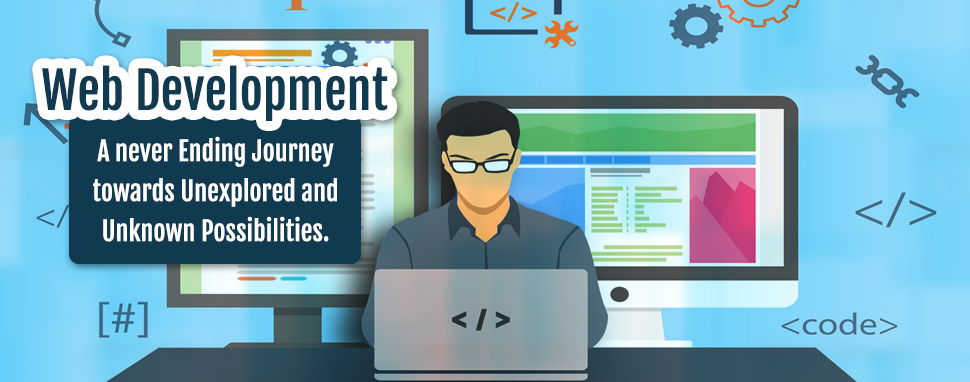
Web development is a continuous journey fueled by innovation, emerging technologies, and evolving user expectations. Businesses that embrace modern web development can enhance customer experiences, improve operational efficiency, strengthen their digital presence, and stay competitive in today’s fast-changing digital landscape.
Frequently Asked Questions
What is web development?
Web development is the process of designing, building, and maintaining websites and web applications using frontend, backend, and database technologies.
Why is web development constantly evolving?
Rapid advancements in AI, cloud computing, security, user expectations, and browser technologies continuously introduce new tools and development practices.
Why is responsive web design important?
Responsive design ensures websites work seamlessly across desktops, tablets, and smartphones, improving usability, SEO, and customer satisfaction.
Why choose SSTech System for web development?
SSTech System provides custom web development solutions focused on performance, security, scalability, responsive design, and business growth through innovative technologies.
Related Article