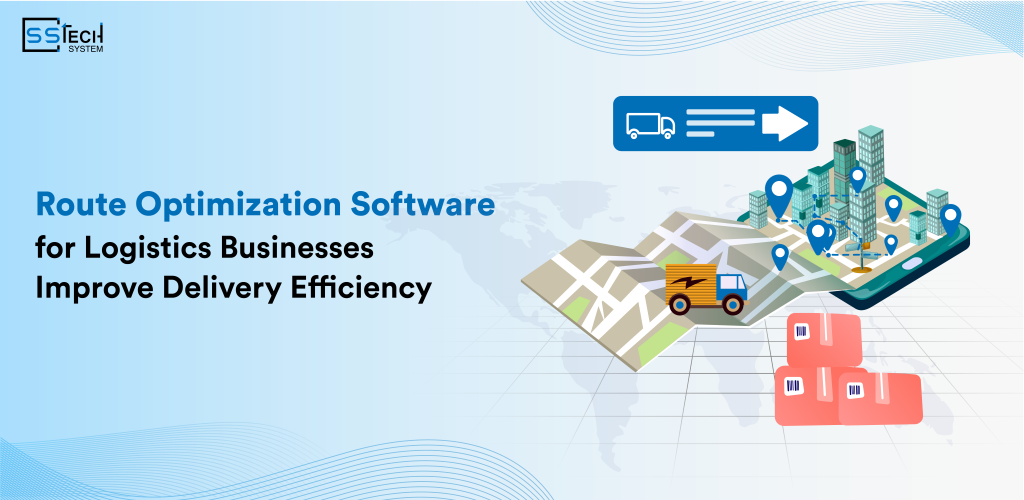



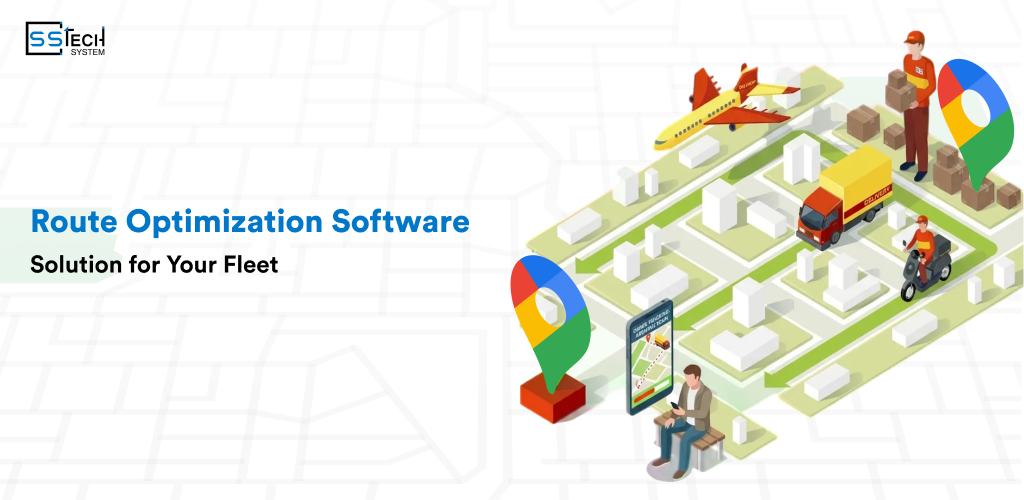
With the modern-day logistics being very fast paced, businesses are always under pressure to deliver faster at a cost that is kept in check. Be it a small delivery fleet or a national transportation network, ineffective routing will soon start consuming revenues.
Increased fuel costs, traffic jams, missed delivery schedules, and lack of coordination are all causes of operational inefficiencies. At this point, Route optimization software is a game-changer.
The route optimization software market is projected to grow from $8.79 billion in 2025 to $10.05 billion in 2026, at a CAGR of 14.2%. Through intelligent algorithms, GPS positioning, and artificial intelligence, companies will be able to design smarter routes, reduce delays, and enhance overall performance.
Advanced routing platforms do not simply map the shortest path. They consider road conditions, delivery time, size of a vehicle, and driver availability.
The selection of the optimal route optimization software to use in your fleet has to be carefully considered. There are too many solutions available in the market, ranging between simple route planning software and advanced AI route optimization software, it is easy to get overwhelmed while choosing the right system.
This guide will give you an idea of who should use routing tools, what features should be given more attention, and what should be the most intelligent investment to achieve long-term savings and business success.
Who needs Route Optimization Software?
Fleet route optimization software can be used in almost every business that uses vehicles.
Here are the primary users:
- Logistics and transport corporations
- Retail delivery and e-commerce companies
- Courier services based on courier route optimization systems
- Food and grocery delivery service
- Plumbers, electricians and technicians are examples of field service providers
- Pharmaceutical distributors and healthcare
Firms that utilize delivery route planning software or vehicle route planning software are better visible and have control over their operations. To illustrate this point, e-commerce-based businesses are highly dependent on last-mile delivery software and delivery route optimization solutions to provide timely doorstep deliveries.
Companies that use logistics route optimization tools usually combine it with fleet management systems, fleet tracking system, and vehicle tracking systems to track driver performance and improve overall fleet efficiency optimization.
Mobile-based route optimization software is also beneficial even to small businesses as it enables dispatchers and drivers to control routes using smartphones.
How to Choose the Best Software for Your Fleet
The route optimization & planning software market is projected to reach $22.5 billion by 2035 with a CAGR of 11.5%. If you are wondering how to choose route optimization software, consider the following factors carefully.
Does it contain the features you need?
Start by identifying the essential features to look for in route planning software. Core capabilities must contain:
- multi-stop route planning software
- route optimization with real-time traffic
- GPS route optimization
- real-time route tracking
- predictive route planning
- Integration with dispatch and routing software
- An automated dispatch system
The higher-level solutions could involve AI route optimization, AI traffic prediction software, and a customizable route optimization API.
Read more: Cut Down Last-Mile Delivery Costs for Higher Profit
These capabilities directly help to trim down fuel expenses, improve driver productivity, reduce delivery time, and increase fleet utilization.
Consider your fleet size
A huge fleet size makes a big impact on the decision you make. A small firm might only require simple cloud-based routing software but a large company would require a scalable fleet route optimization software that is integrated with fleet performance management software. Large fleets benefit from the advantages of advanced fuel cost optimization software and route management software that can manage hundreds of vehicles at a time.
Request demos and trials
Do not invest without experimenting. The majority of companies offering delivery route optimization solutions and last-mile delivery software have demos or free trials.
This can give you an opportunity to compare actual real-world performance, usability and integration. Testing can be used to evaluate the performance of the route optimization system during real delivery conditions.
Consider the total cost of ownership (TOC)
The retail cost is not the final investment. In assessing a custom delivery route software, consider:
- Subscription fees
- Implementation costs
- Training expenses
- Hardware requirements
- Support fees
The appropriate solution must help in reducing transportation expenses and maximizing the delivery performance over time.
Can you integrate with existing systems?
Your routing platform must be able to easily link with your:
- Fleet management systems
- ERP software
- CRM tools
- Accounting platforms
- Vehicle tracking system
- Fleet tracking software
Integration guarantees a clear logistics route planning and removal of manual data entry error.
Does the solution offer the right planning modes?
Various companies need different planning strategies. Look for support for:
- Static route planning
- Dynamic route optimization
- Same-day delivery planning
- last mile route optimization
A sophisticated AI route optimization system will be capable of automatically optimizing routes in response to live conditions. AI tools in logistics could reduce freight greenhouse gas emissions by 10–15% globally by 2026.
Does the software provider offer strong support?
It is essential to have reliable support. Slow response to system problems may interfere with operations. Check response times, onboarding support, and training materials.
The best dispatch and routing software vendors typically provide 24-hour technical support.
Does the software meet all your business constraints?
Make sure that it fits on the platform:
- Delivery time windows
- Vehicle capacity limits
- Limitations on work hours of drivers
- Customer priority levels
An efficient route optimization system should be able to respond to realities of operation.
Does the software have an intuitive and user-friendly interface?
Complicated software does not encourage adoption. The interface should be easy to use by drivers and dispatchers. A properly developed mobile-based route optimization software enhances usability and compliance.
Route Optimization Software Comparison
Making a thorough route optimization software comparison helps you make an informed decision.
Customer reviews
Find testimonials that describe how companies achieved fleet efficiency optimization, enhance fleet performance management, and effectively applied best route optimization software for fleet management solutions.
Data security
Make sure that your cloud-based routing software meets the requirements of data protection. Security plays an important role when dealing with sensitive customer and location information.
Pricing models
Compare enterprise, subscription, and per-vehicle price models. Make sure that the solution is aligned to your growth strategy.
Core features
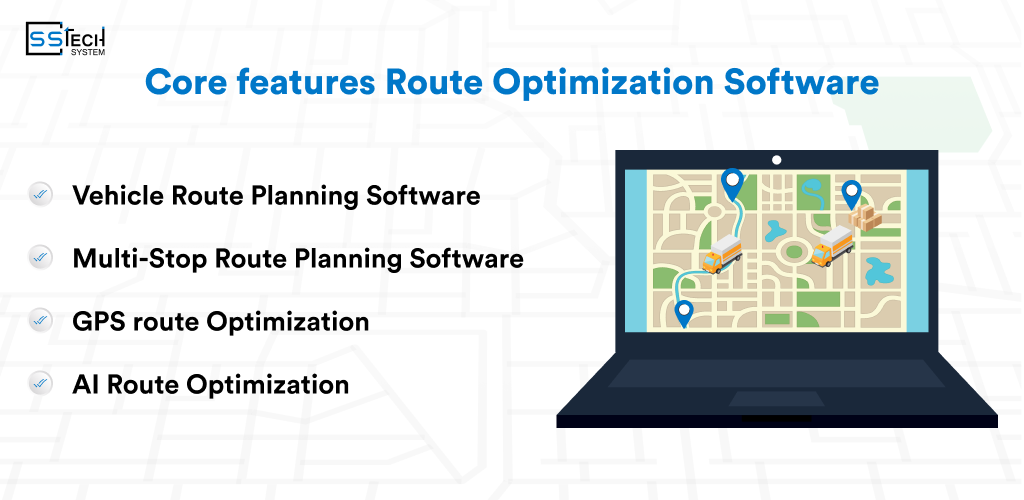
Proper planning of route would reduce fuel consumption by up to 20%, which greatly decreases operational costs for fleets. Assess the presence of the following features in the software:
- vehicle route planning software
- multi-stop route planning software
- GPS route optimization
- AI route optimization
These aspects are directly related to how route optimization reduces fuel costs.
Customization options
Customization features enable businesses to tailor custom delivery route software based on operational workflows. Specific business needs, service zones, and delivery constraints can be supported with the help of flexible route planning software
Scalability
Scalability makes sure that the fleet route optimization software can grow with the expanding fleets and operational needs. The logistics route planning platforms must be able to support more vehicles, users, and routes without compromising the performance of the system.
Implementation time
Implementation time is the speed at which delivery route planning software can be implemented in operations. Quick onboarding enables teams to use mobile-based route optimization software and enjoy smarter routing earlier.
Support response time
The response time of support is used to determine the speed at which providers address problems within dispatch and routing software systems. Trustworthy suppliers make smooth operations, since they offer responsive support to real-time route tracking and routing performance problems.
Common Mistakes to Avoid When Choosing Route Optimization Software
Choosing based only on price
One of the reasons why many businesses choose route Optimization Software is because they choose it on the basis of low prices without considering features and performance. The ideal fleet route optimization software must offer long-term value through reduced fuel costs and lower transportation costs.
Ignoring driver usability
Even the best route optimization software can be made less effective by ignoring the usability of the driver. Drivers can easily use mobile-based route optimization software to follow optimized routes and boost productivity through a simple, user-friendly interface.
Overlooking integration needs
When choosing route management software, some businesses fail to consider integration capabilities. The platform must be able to integrate well with the fleet management software, fleet tracking software and a vehicle tracking system to facilitate effective planning of the logistics routes.
Not considering future growth
The selection of a system that is not scalable may restrict the efficacy of the operation in the long term. The system to optimize the routes should be flexible to accommodate growing fleets and new technologies such as AI route optimization and route optimization API integrations.
Conclusion
The process of investing in the appropriate routing technology is not just an upgrade in operations. It is a strategic decision. The benefits of route optimization software are far beyond navigation. Businesses that implement advanced routing platforms can consistently reduce fuel costs, improve driver productivity, reduce delivery time, and increase fleet utilization.
In the long run, these enhancements significantly lower transportation costs and assist organizations optimize delivery performance across all operations. By thoroughly analyzing features, scalability, integration, and long-term ROI, you can confidently choose the most suitable solution to drive your fleet’s success.
Frequently Asked Questions
Real-time information allows the optimization of the route with real-time traffic changes to avoid delays due to congestion, accidents, or road closures. This improves the last mile route optimization and provides on-time deliveries.
Absolutely. Even small fleets with vehicle route planning software or basic route planning software can make a huge positive result in efficiency and customer satisfaction.
The AI route optimization uses past information, traffic history and delivery trends to facilitate smarter predictive route planning. This minimizes inefficiencies and improves decision making.
Several industries that are highly dependent on transportation such as e-commerce, food delivery, courier services, field services, healthcare distribution, and field services obtain enormous benefits through delivery route optimization solutions and the last mile delivery software platform.
Related Article